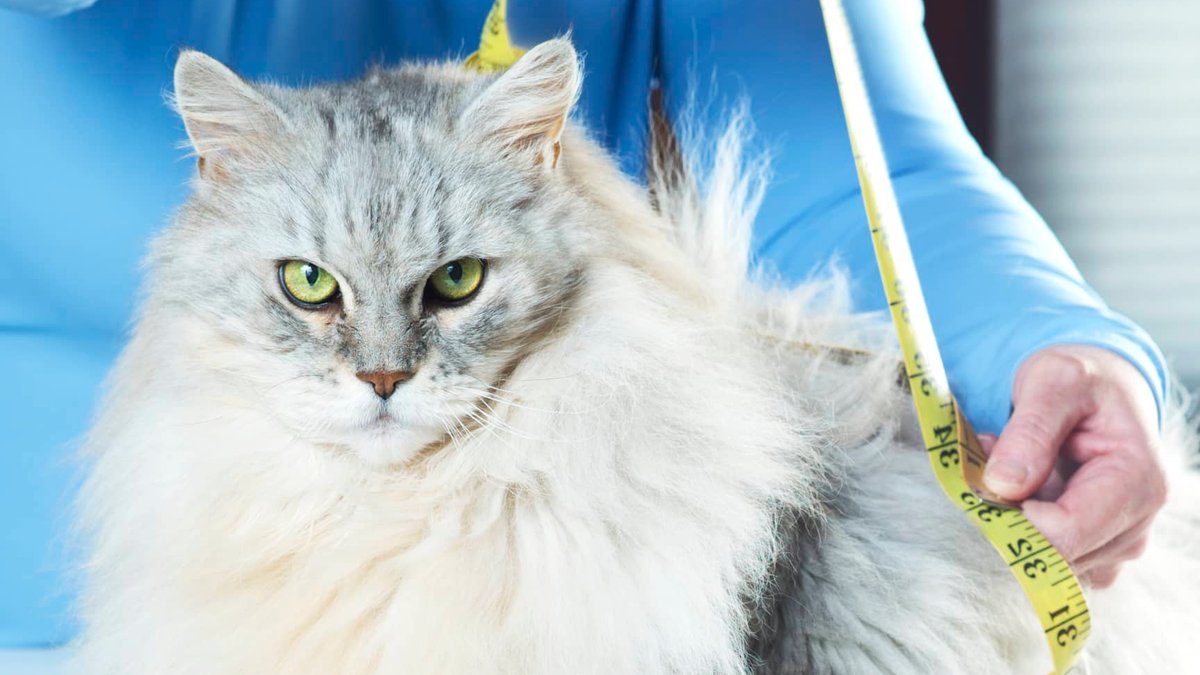
Amy’s cat, Felix, is five years old and loves food, but he refuses to lose weight. His owner has tried cutting back on meals, but with two cats in the house, Felix just gobbles down all the food, she said. The extra pounds worry her because she knows obesity can shorten a cat’s life and strain its joints and heart. Felix’s situation is not unique, as 61% of cats and 59% of dogs evaluated by U.S. veterinary professionals in 2022 were classified as overweight or obese.
The idea of weight-loss drugs for pets is already moving from wishful thinking toward veterinary research. Two U.S. biotech companies, Akston Biosciences and OKAVA Pharmaceuticals, are testing experimental GLP-1 weight-loss treatments for overweight cats.
Akston Biosciences is sponsoring a Cornell University clinical study of a once-weekly GLP-1 therapy for overweight and obese cats, while OKAVA Pharmaceuticals has begun testing a long-acting implant designed to deliver the medicine continuously for up to six months. Neither product is approved, and there is currently no commercial “Ozempic for cats.”
Related: Banks Post Earnings with Mixed Results
The studies point to a broader shift already underway in pet care. As owners spend more on premium food, supplements, diagnostics, and veterinary treatments, it’s creating new opportunities for biotech alongside traditional pet-food companies. The Association for Pet Obesity Prevention notes the scale of the problem is significant, with many pets struggling with obesity.
The $200 billion U.S. pet economy is expected to grow. Industry analysts say GLP-1 drugs fit into this larger transformation. Morgan Stanley analyst Simeon Gutman told the outlet that the growth will come from the broader obesity ecosystem, including structured weight-management programs, prescription diets, and treatment of obesity-related conditions.
Longevity is becoming the industry’s next major theme. Gutman said, “We think the industry is increasingly focused on extending healthy lifespan through earlier diagnostics, higher-value therapeutics, and therapeutic nutrition.” That convergence is drawing together businesses that once occupied separate corners of the market, from consumer staples companies selling food to biotech firms developing medicines and veterinary providers offering increasingly sophisticated care.
Related: Trump Walks Out of Tense Interview
For now, the technology remains firmly in the experimental stage. But the arrival of multiple feline clinical trials suggests one of the pharma industry’s most influential drug classes is beginning to cross into veterinary medicine – even as established pet-food companies race to convince owners that healthier diets, supplements, and longevity-focused nutrition can deliver many of the same benefits before prescription drugs ever reach the market. As the market continues to evolve, owners and veterinarians will respond to these new developments, and they will decide whether they will be willing to pay for obesity drugs for their pets.
It will be interesting to see how this affects the pet economy.





Leave a Reply