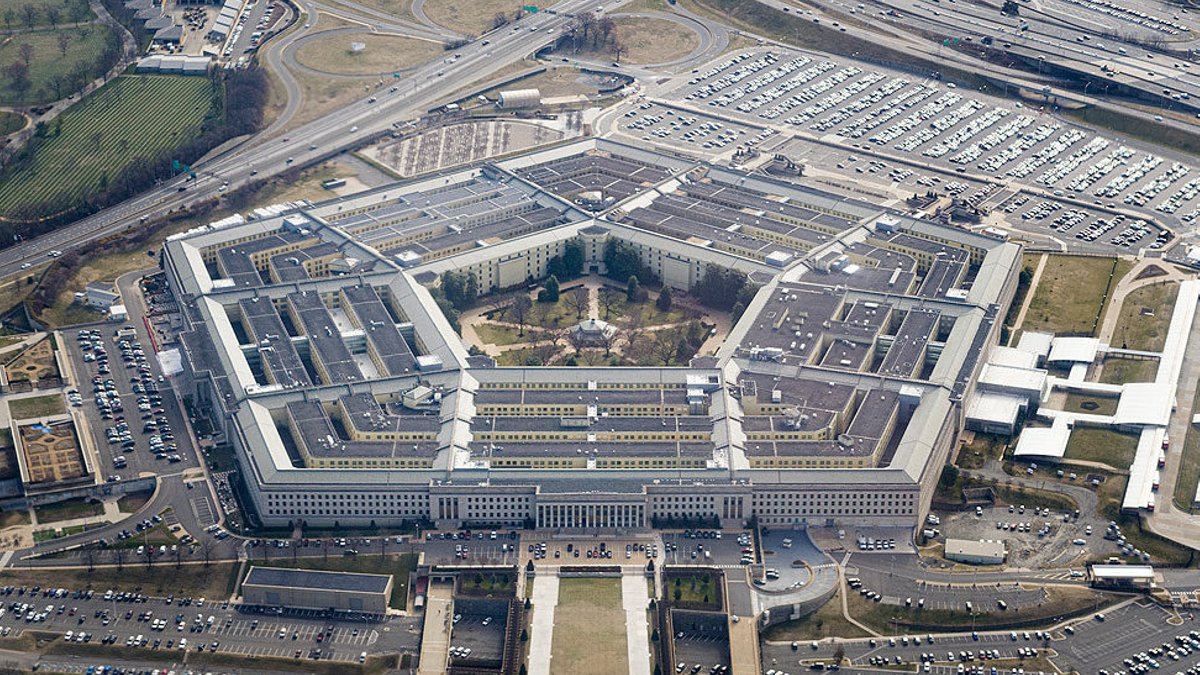
Over the past few weeks, American defense leaders have privately encouraged a number of NATO allies to soften their public warnings about Russia, claiming that harsh language from European governments has weakened the continent’s collective security stance, according to four sources with direct knowledge of the discussions.
Among the nations that have received messages urging them to keep public statements in check are Lithuania, Latvia, and Estonia, said the people, who spoke on condition of anonymity.
These US appeals coincide with the Trump administration’s renewed efforts to push for a diplomatic resolution to the ongoing conflict in Ukraine, which has now entered its fifth year.
The latest initiative combines potential concessions for Russia—such as easing sanctions—with calls on Ukraine to stop targeting energy facilities inside Russian territory.
When asked to respond, a Pentagon spokesperson declined, stating: ‘These are confidential discussions between allies, so we won’t address any claims made about them.’
The US warnings highlight an internal NATO debate over how best to publicly discuss the growing assertiveness of Russia.
Some Western officials have argued that emphasizing the threat posed by Moscow could play into the hands of the Kremlin, which they say seeks to sow fear and undermine support for Ukraine.
Elbridge Colby, the Pentagon’s top policy advisor, was among those conveying this message to NATO partners, according to the sources.
One of the European officials said that the Pentagon’s advice, while cordial, was baffling, given that intelligence services in the Baltic states have in recent months consistently played down the probability of Russia testing NATO’s mutual defense provisions.
Read Also: Philippines central bank confronts peso slump
Other NATO intelligence services, by contrast, have publicly warned that Russia could dramatically ramp up its sabotage campaign in the near future.
Moscow has recently intensified its campaign of deniable attacks on NATO countries, Western intelligence officials have said.
On Wednesday, German prosecutors said two Belarusians were arrested for allegedly planning to set fire to a building or critical infrastructure facility in the Nuremberg area.
In September, the German government blamed Russia for an attempted drone attack at Leipzig/Halle Airport, allegations Moscow has denied.
US officials have been discussing potential business deals with Russia as part of the Trump administration’s push for peace in Ukraine.
Pentagon planners, meanwhile, are reviewing Washington’s force posture in Europe, a process that could see a sharp drawdown in America’s troop presence on the continent.
They are considering various options, including a reduction in the number of US troops stationed in Europe, as part of a broader effort to reassess the US military presence on the continent.
The review is ongoing, and it is unclear what specific changes will be made, but it is likely that the US will maintain a significant military presence in Europe, even if the number of troops is reduced.



Leave a Reply