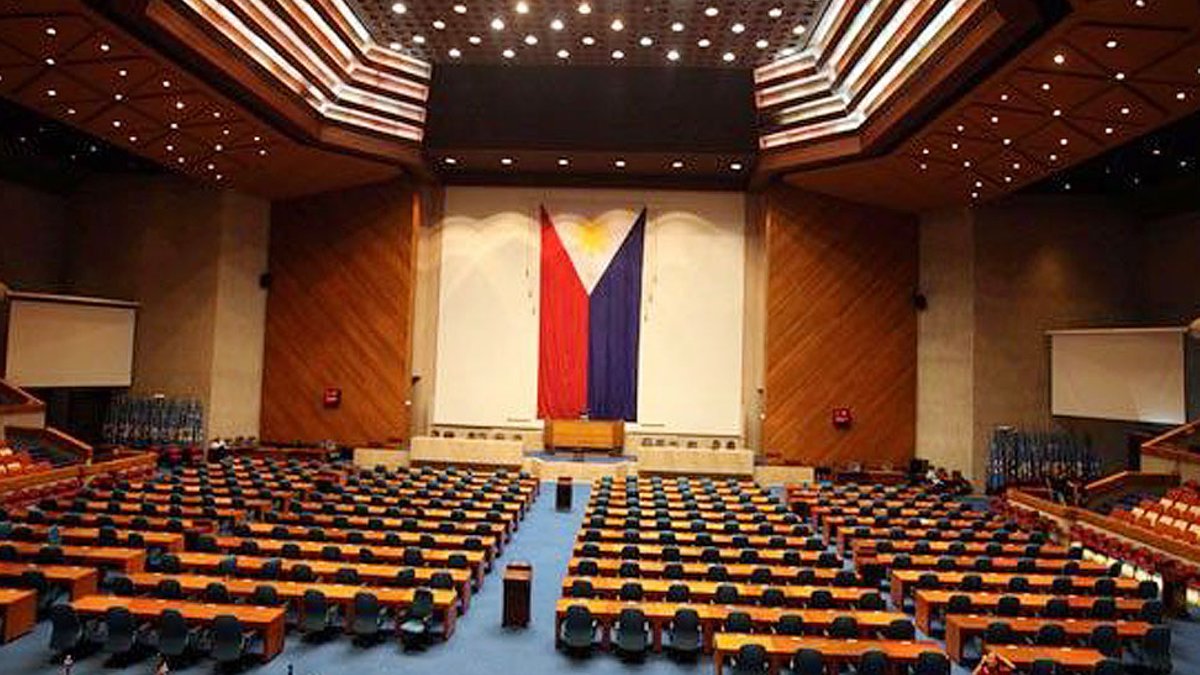
A lawmaker has called for a closer investigation into the 2027 General Appropriations bill, approved by the House of Representatives, citing concerns over projects lacking publicly available supporting documents and budget realignments that may be open to abuse.
Party-list Rep. and Senior Deputy Minority Leader Leila Norma M. de Lima urged the Senate and the bicameral conference committee to scrutinize the amendments. This follows a review by the People’s Budget Coalition (PBC), which identified 7,054 individual projects worth P190 billion out of 18,600 project line items introduced by the House. “This warrants further investigation and scrutiny in the Senate and/or in the bicam,” Ms. de Lima told BusinessWorld in a Viber chat, warning that the absence of sufficient documentation could allow irregularities. “If there are no adequate documents, it is suspicious because a lot of trickery can happen there,” she added in Filipino.
Missing documentation raises red flags
Of particular concern is the P15 billion worth of farm-to-market road and irrigation projects that had no publicly posted project attachments. She voted against the House-approved budget, describing it as patronage-driven. Ms. de Lima noted that nearly half of the available fiscal space, P541.5 billion, went to what she called pork allocations following the Budget Amendments and Review Subcommittee amendments, out of a total available fiscal space of P1.15 trillion.
Read Also: Govt debt service falls in September
Cash assistance programs and infrastructure spending
Several cash assistance programs saw significant increases, with P67.5 billion added during the subcommittee amendments. These programs include the Assistance to Individuals in Crisis Situations, Medical Assistance for Indigent and Financially Incapacitated Patients, and Tulong Panghanapbuhay sa Ating Disadvantaged/Displaced Workers, which nearly doubled from their proposed National Expenditure Program levels. The Department of Public Works and Highways’ (DPWH) Convergence Program also received a P74.1-billion boost, while flood management funding was reduced by P16.3 billion.
The Local Government Support Fund reached its largest allocation to date, P62.6 billion, a year ahead of the 2028 elections. Ms. de Lima also questioned P130 billion in cuts to foreign-assisted projects of the Department of Transportation, DPWH, and other agencies. Additionally, she raised concerns over reductions in funding for health promotion, immunization, family planning commodities, classrooms, consular services for overseas Filipino workers, and the National Disaster Risk Reduction and Management Fund.
Unprogrammed appropriations and Supreme Court rulings
The P112-billion allocation for unprogrammed appropriations was flagged as vulnerable to abuse. Ms. de Lima, a petitioner who challenged the legality of such appropriations, emphasized that the Supreme Court’s rulings on this matter should guide budget approval and implementation. The Supreme Court previously voided parts of the 2024-2026 budgets, ruling that congressional increases to unprogrammed appropriations and special funds exceeded constitutional limits, including a P449.5-billion increase in 2024 and a P17.99-billion addition in 2025.
Read Also: Philippine Banks’ Bad Loan Ratio Hits Nine-Month Low
Budget amendments should be made more transparent, she said, with Congress publishing the names of proponents, project locations, justifications and supporting documents for every change. She also advocated for an open bicameral conference committee process, allowing public participation in budget deliberations. “Moving forward, we call on both chambers of Congress to publish all amendments, including the names of the proponents, project locations, justifications, and supporting documents, not just coordinates,” she said.
Senate budget deliberations are set to resume in November, with a target completion by the second week of December, allowing time for President Ferdinand R. Marcos, Jr. to sign the spending plan before Christmas.





Leave a Reply