The Africa Energy Bank is not designed as a venture capital fund. Its creation, however, reveals a fundamental challenge that private investors cannot address alone: the persistent cost of reliable energy for businesses operating across Africa.
For entrepreneurs in the region, energy is not a secondary concern. It is the initial hurdle—before securing investment rounds, before hiring staff, before expanding operations. Will the factory remain operational during power outages? Can cold storage withstand prolonged blackouts? How much of the next funding injection will be absorbed by backup generators? These are not speculative scenarios. They represent the core risks shaping business decisions in markets where electrical grids are unreliable and fuel shortages frequently disrupt supply chains.
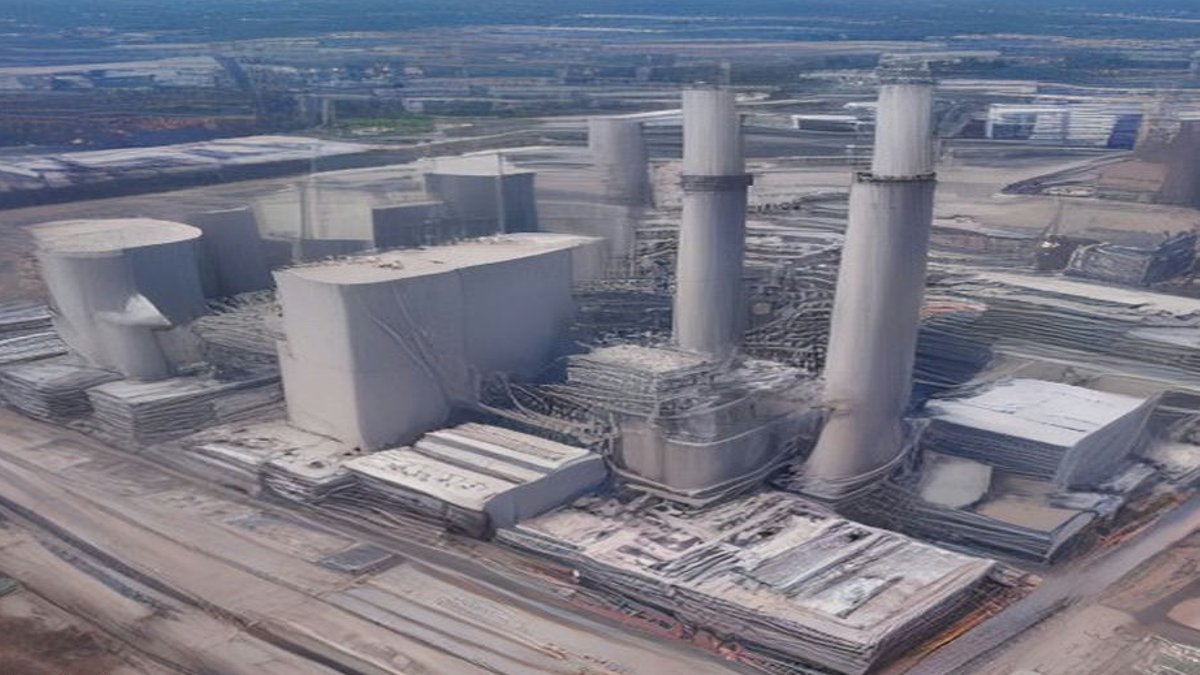
The Africa Energy Bank, established in Abuja on October 31 by Afreximbank and the African Petroleum Producers’ Organisation, targets this issue indirectly. With $5 billion in authorised capital and Helmy Ghazi as its first president, the institution will concentrate on oil and gas infrastructure—refineries, pipelines, processing facilities, and distribution networks. Its founders position it as a response to the withdrawal of traditional fossil fuel financing. Yet its significance extends beyond its stated purpose, exposing the limitations of venture capital in Africa.
Venture investors excel at funding software development, talent acquisition, and distribution expansion. They face difficulties, however, when financing the physical assets required to sustain energy-dependent operations. A company experiencing growth may still lack the necessary capital to install solar panels, batteries, or equipment to meet rising demand. While raising additional equity keeps expansion on track, it also dilutes ownership and pushes investors toward assets better suited for debt financing.
This challenge is not new. In July 2025, Sun King, a Kenyan energy firm, demonstrated an alternative solution. The company secured a $156 million securitisation deal in Kenyan shillings, structured by Citi and Stanbic Bank Kenya. This transaction converted future customer repayments into immediate financing, enabling Sun King to scale without overreliance on equity. The model effectively separates venture capital, used to support innovation and management, from debt financing for assets generating predictable cash flows.
Bank’s First Test: Mobilizing Capital and Projects
The Africa Energy Bank could reinforce this approach. Its effectiveness will hinge on more than capital commitments alone. The first benchmark will be whether it successfully mobilises the $1.25 billion subscription tranche required to commence lending operations, scheduled to begin in January 2027. According to Sika Finance, only $500 million is currently available, indicating that substantial fundraising efforts remain ahead. The true test, however, will be measurable outcomes: capital deployed, financing agreements executed, and completed projects.
Farid Ghezali, secretary general of the African Petroleum Producers’ Organisation, stated in October that the bank aims to finance at least three projects in 2027, with priority given to regional oil and gas infrastructure. Whether this goal materialises depends on lenders’ ability to manage the risks associated with long-term energy investments, construction delays, political instability, and currency fluctuations. For venture investors, the most critical milestones will be those directly impacting entrepreneurs: consistent energy supply at predictable costs.
Climate Tensions and the Bank’s Energy Transition Dilemma
The bank’s emphasis on hydrocarbons creates friction with climate-focused investors. Some may exclude fossil fuel projects from their investment mandates, while others might identify opportunities in efficiency or industrial services linked to broader energy access. The bank’s founders describe its mission as balancing a just energy transition with continued investment in oil and gas. How this balance plays out in practice remains uncertain.
The Sun King securitisation in July 2025 illustrates how energy companies can structure financing to distinguish asset-heavy operations from equity-driven expansion. The $156 million deal, backed by commercial banks and development financiers, transformed future customer payments into immediate capital, a model that could inspire similar transactions for other energy businesses. Unlike conventional loans, which demand collateral and strict covenants, securitisation allows companies to leverage predictable revenue streams without surrendering ownership.





Leave a Reply