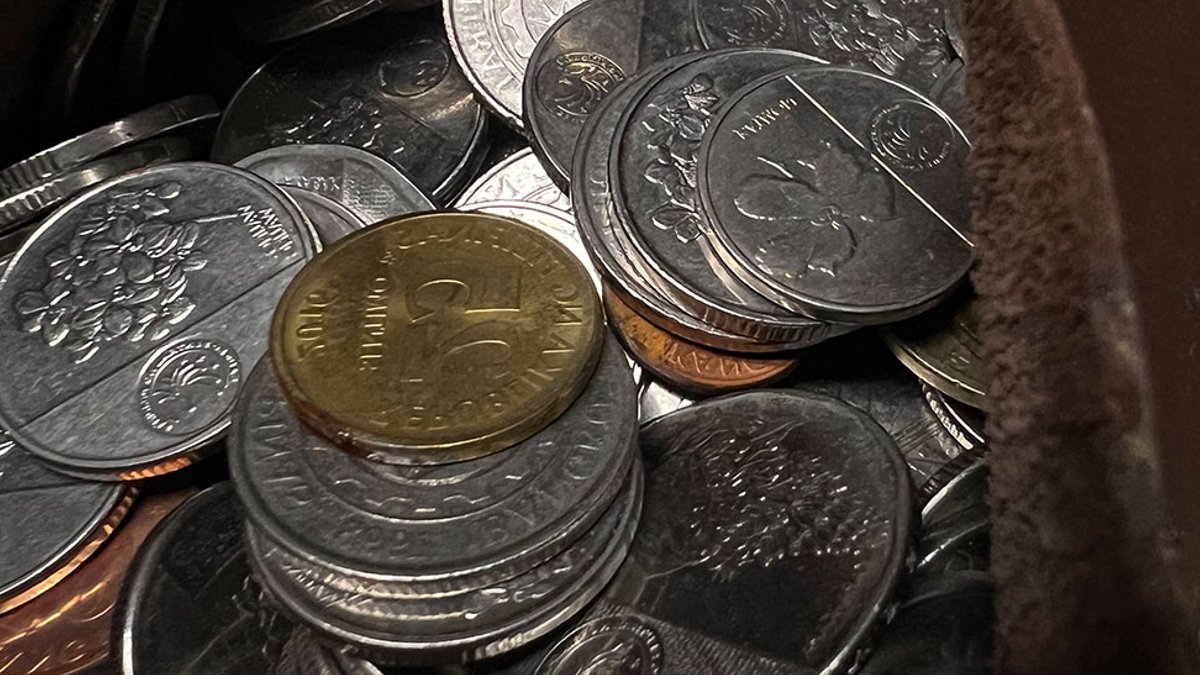
The peso’s rapid slide against the US dollar has sparked worries about rising inflation, higher interest rates and the broader outlook for the Philippine economy.
Managing Immediate Pressure
The Bangko Sentral ng Pilipinas (BSP) can intervene to smooth sharp swings in the foreign-exchange market, monitor banks’ exposure and adjust monetary policy when inflation risks rise. Each tool serves a different purpose and has limits.
Intervention is not meant to lock in a specific peso-dollar rate. The central bank cannot indefinitely counter market forces such as a strong US dollar, higher oil prices or persistent demand for foreign currency without draining reserves.
When used to curb disorderly trading, intervention can ease temporary liquidity strains and discourage one-sided speculative bets. It is far less effective against deep, structural imbalances that drive a sustained decline.
Beyond direct action, the BSP may tighten prudential rules. Tightening limits on banks’ net open foreign-exchange positions could curb excesses that amplify volatility, provided the measures do not disrupt legitimate trade-related transactions.
Improving access to market-based hedging tools is another option. Major dollar spenders, especially oil firms, could use forward contracts or non-deliverable forwards to spread currency risk over time instead of concentrating purchases in the spot market.
Any hedging facilities must be transparent, properly priced and backed by solid risk controls. They should not create hidden public liabilities or shift private losses onto the central bank or taxpayers.
While these steps can calm short-term turbulence, they do not replace the need to address the forces that push the peso down.
Even with a flexible exchange rate, persistent weakness can erode purchasing power. Imported fuel, food and raw materials become costlier, and businesses may pass those costs to consumers, tightening household budgets already strained by inflation.
From Depreciation to Credibility
September 2026 data show inflation at 7.2%, intensifying pressure on family incomes. The BSP therefore watches not only the peso’s level but also how depreciation shapes inflation expectations, corporate pricing and wage demands.
Research released by the BSP in 2025 found that a weaker peso tends to lift prices more clearly than a stronger peso pulls them down. The impact varies with the size and persistence of the exchange-rate move, making a mechanical translation into a precise inflation forecast unreliable.
Related Post: India’s RBI likely to raise interest rates amid inflation pressures
The recent 50-basis-point increase in the policy rate reflects the need to respond firmly to mounting inflation risks. Higher rates can dampen demand and prevent entrenched expectations, but they cannot lower global oil prices or fix logistics bottlenecks.
Raising rates solely to defend the currency would impose unnecessary costs on consumption and investment. The challenge is to keep depreciation from turning into a lasting inflation problem without stifling growth.
Economic credibility extends beyond monetary policy. Investors assess the quality of public institutions, regulatory predictability, fiscal transparency and the ability of the government to honor commitments.
Uncertainty around public procurement, inconsistent rule enforcement and weak accountability raise perceived risks, discouraging firms from expanding or bringing capital into the country.
Fiscal credibility hinges on transparent, legally sound spending that targets projects with clear economic returns. Flexibility in budget execution is useful, but it should not replace rigorous planning, legislative oversight and effective monitoring.
Infrastructure that boosts productivity can lower business costs, yet poorly chosen projects or flawed implementation can add debt without delivering gains.
Investors also look for assurance that violations of public-fund rules are investigated and penalized, reinforcing confidence that standards are applied consistently.
The BSP’s ability to maintain orderly markets while the government pursues credible fiscal reforms will test whether the peso’s weakness becomes a temporary shock or a signal of deeper structural gaps.
Building a Stronger Economy
Agriculture is an example of the connection between productivity and external stability. Low domestic productivity, inadequate storage, and inefficient distribution can raise food prices while increasing dependence on imports.
Investments in irrigation, transport, post-harvest facilities, and climate resilience can help stabilize food supplies, improve rural incomes, and reduce avoidable pressure on the external accounts. Energy is another vulnerability, with dependence on imported fuel exposing the economy to global price shocks.
The BSP and the National Government have distinct responsibilities, but their efforts must reinforce one another. The central bank must safeguard price stability, maintain orderly market conditions, communicate clearly, and use its instruments according to its mandate.





Leave a Reply