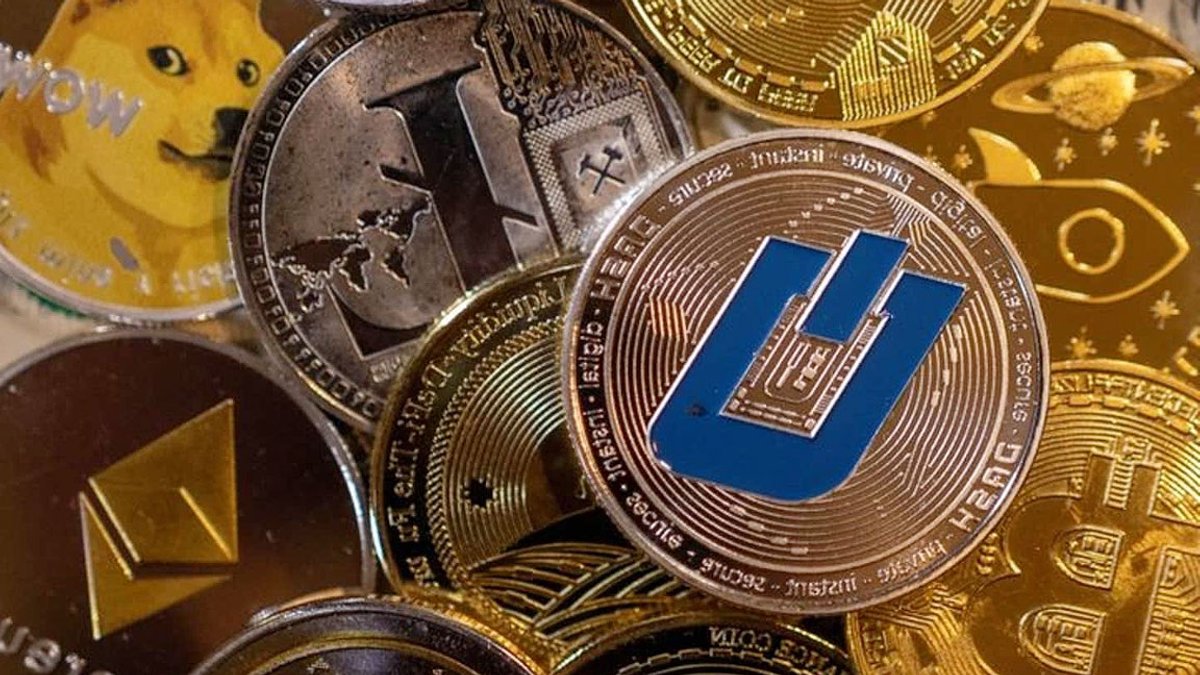
Filipinos still have low awareness and trust in stablecoins as a remittance tool, according to a survey by Visa. The “Money Travels: 2026 Digital Remittances Adoption” report found that only four in 10 Filipinos have heard of stablecoins, with about a third of those aware having a clear understanding of what they do. The study, which surveyed 3,101 Filipinos from February 24 to March 18, revealed that 58% of respondents have never heard of stablecoins, while 21% are aware but do not know anything about them.
Public perception and knowledge gaps
Only 3% of those surveyed know a lot about stablecoins, while 7% know some things and 11% know a little. A small percentage of respondents hold specific misconceptions, with 26% believing stablecoins are only for traders and not everyday people. Another 18% think transactions are anonymous and cannot be traced, while 3% think their government has fully banned them. Meanwhile, 23% said they do not know about the topic, and 2% did not answer the questions.
Among those who are aware, 37% understand that a stablecoin is designed to stay close to a real currency like the US dollar, while 35% know that its value moves up and down like Bitcoin. Despite these technical details, confidence in recovering funds through stablecoins is low, with only 19% of Filipinos confident they could get their money back if something went wrong.
Trust in providers and digital transfers
When it comes to transfer methods, only 9% of Filipinos express strong trust in using stablecoins for remittances. In contrast, cash remittance transfers hold 41% trust, and digital remittance transfers hold 34% trust. The survey identified government or central banks (33%) and global payment networks (31%) as the top trusted providers for digital currency. Traditional commercial banks follow at 21%, tech giants at 19%, and dedicated crypto exchanges at 11%.
The top drivers for stablecoin trust among Filipinos are strong security and fraud protection at 40%, followed by the ability to easily convert to local currency or cash at 26%. Faster access to funds is cited by 24% of respondents, while 23% value lower fees. Visa Philippines Country Manager Jeffrey Navarro noted that the company sees opportunities for growth in outbound remittances, particularly driven by small and medium enterprises and funding education abroad.
Stablecoin features and remittance channels
Visa hopes stablecoin initiatives will fix consumer pain points in digital remittances. High fees are the top area for improvement at 37%. Technical difficulties with the payment method are cited by 15%. Issues with calculating the exchange rate follow at 15%. Time to access funds is a concern for 12%. Discomfort with sharing financial information is noted by 11%.
How remittances are used and received
The Philippines was identified as the top receiver-led market among those surveyed, which included Australia, Mainland China, Japan, India, and Singapore. Forty-five percent of Filipino respondents reported having received money from overseas in the last 12 months. Economic and cultural reasons drive these transactions, with 34% citing support for essentials and 33% citing familial or cultural obligation.
Filipinos also prefer digital transfer methods for speed, with mobile wallets at 44% and digital transfers directly to a bank account at 31%. Only 18% mentioned in-person transfers at a bank or money transfer agent as a channel for instant fund access. The survey also found that 27% of Filipinos cited difficulty in transacting outside of normal banking hours, with only 19% making in-person transactions at physical money transfer agents or stores.



Leave a Reply