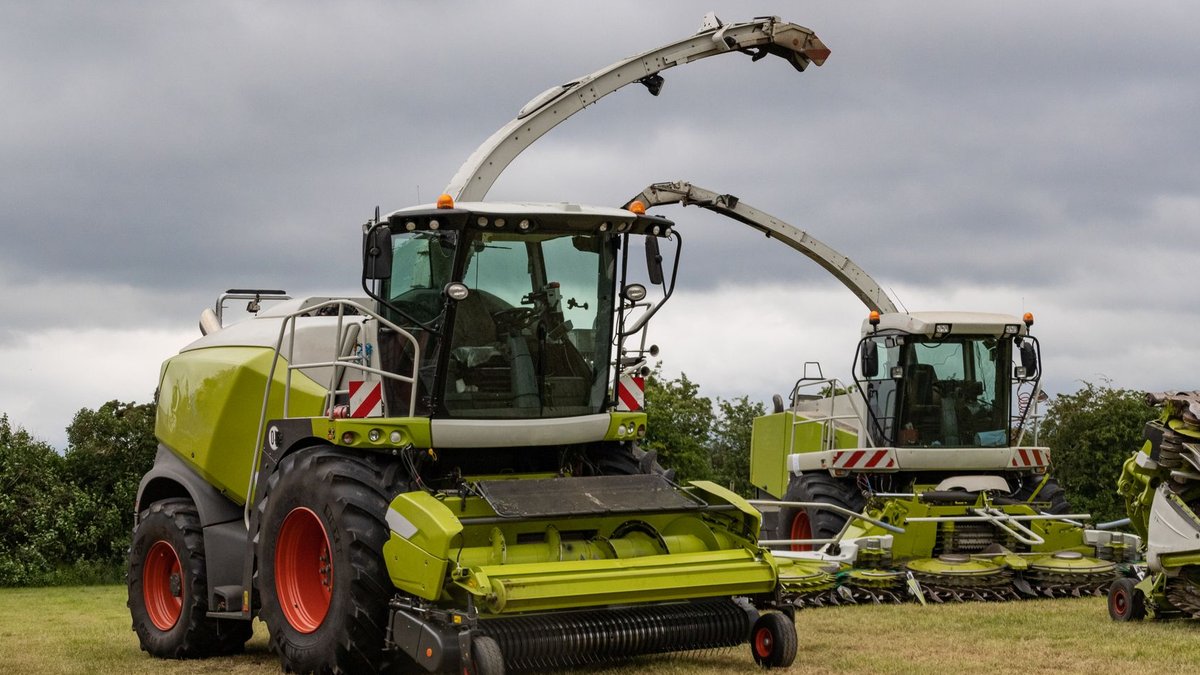
EBID funds G Farms expansion with a $10.04 million facility, aiming to boost poultry and dairy production in The Gambia.
Details of the financing agreement
On 28 July 2026, the ECOWAS Bank for Investment and Development signed a facility agreement with G Farms Limited for $10.04 million. The agreement targets equipment purchases and operational growth, according to the signing documents. The money will be used to broaden the company’s value chains, especially in poultry and dairy sectors.
Dr George Agyekum Donkor, president and chairman of the bank’s board, said the investment reflects the focus on food security and private‑sector development across West Africa. He added that the project should bring lasting benefits to the Gambian economy.
Planned production increases
The project outlines ambitious targets for 2035. Laying hens are set to rise from 120,000 to 500,000, while broiler output is projected to climb from 651,146 to more than 3.2 million birds. Day‑old chick production will move from 3.3 million to 5.5 million units. In dairy, the herd is expected to expand from 110 cattle to 2,500, and feed‑production capacity will reach 10 tonnes per hour.
Related: 14.4 Million Return Home as Aid Shrinks
These figures suggest a substantial rise in domestic food output. The plan also includes scaling feed‑mix facilities, which could support the broader agricultural ecosystem.
Ms Zuzana Zatkova of the European Investment Bank’s Financial Inclusion Division noted that the partnership illustrates how targeted financing can unlock regional agricultural potential. She highlighted the project’s role in creating jobs and promoting lasting development.
Mr Muhammad Sanyang, managing director of G Farms, described the funding as a milestone that will enable the company to meet growing demand for quality poultry and dairy products. He emphasized that the expansion aligns with national food‑security goals and rural‑development strategies.
The initiative is expected to generate socio‑economic benefits beyond increased output. It should create new jobs, raise incomes for value‑chain participants, and improve resilience against supply shocks. By reducing reliance on imports, the project may also help keep food prices more stable for Gambian consumers.
Related: Americans trade Hawaii for cheap homes in rural Japan
The project will create jobs.
From a practical standpoint, the expanded operations could mean more reliable access to eggs and milk for families in rural areas, where shortages have been common. Small‑scale farmers supplying feed or processing services may see steadier demand, potentially encouraging investment in related businesses.
Broader strategic context
EBID’s involvement aligns with its Growth, Resilience and Optimisation (GRO) Strategy, which seeks to finance agribusiness projects that modernise agriculture and diversify economies. The G Farms expansion is one of several initiatives under this framework aimed at promoting lasting growth in West Africa.
While the agreement focuses on The Gambia, the ripple effects could extend to neighboring markets that import Gambian poultry and dairy. Strengthening local production may lessen regional trade imbalances and support broader economic integration.





Leave a Reply