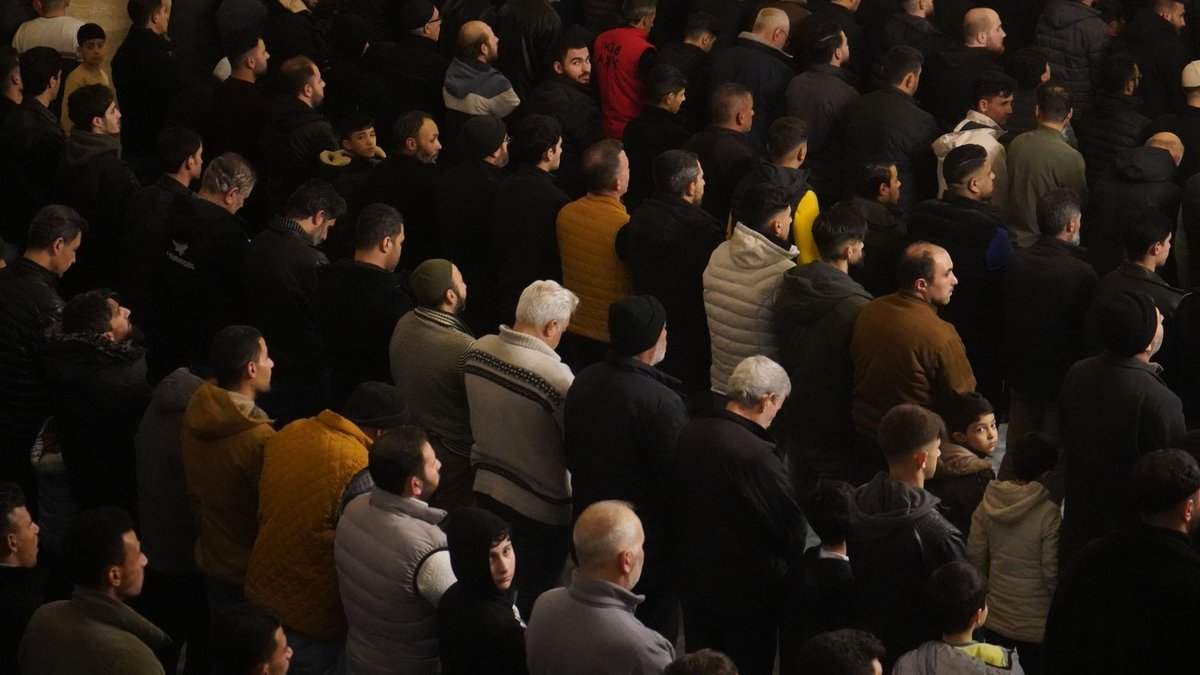
According to the United Nations refugee agency’s 2025 Global Trends report, 14.4 million displaced people returned to their home countries, marking the second‑largest repatriation on record.
Return driven by shrinking aid, not safety
The same report notes that the surge in returns coincides with a historic contraction in humanitarian assistance. While the numbers suggest progress, many refugees are leaving settlements because food rations and basic services have been cut, not because conditions have improved.
In the 18 months preceding the report, aid reductions directly slashed food allocations. The United Nations World Food Programme indicated that support for roughly 1.6 million refugees in Uganda early in 2025 now reaches only 660,000 individuals, leaving about one million people without the nutrition they previously depended on.
Beyond food, funding cuts have trimmed healthcare provision and other essential services, further eroding the viability of long‑term refugee camps. As aid dwindles, refugees face increasing pressure to seek alternatives, even if it means returning to uncertain environments.
Compounding crises strain settlements
Conflict continues to rise worldwide, creating nearly as many new displacements as those who have gone home. Economic shocks, including inflation and health emergencies, add another layer of vulnerability to already overstretched settlement systems.
Climate change presents a parallel threat. Data show three‑quarters of displaced individuals reside in nations highly vulnerable to extreme weather, where heat stress and water scarcity jeopardize daily life. Projections suggest the 15 hottest refugee camps—all located in Africa—could endure close to 200 days of hazardous heat each year by 2050.
Without the ability to earn a living, refugees remain dependent on external aid. Restrictive labor policies in many host countries prevent them from working legally, leaving them exposed to both economic and environmental shocks.
Related: Coffee Brands Profit From Protein Drink Trend
While the humanitarian sector grapples with these challenges, a handful of programmes illustrate an alternative path. In Uganda and Ethiopia, the DREAMS initiative—run by Village Enterprise and Mercy Corps—offers entrepreneurship training, seed funding, and mentorship to help refugees launch small businesses.
These outcomes show that when refugees can generate income, they are better able to purchase nutritious foods, fund education, and cover health costs. The ability to save also creates a buffer against future crises, turning precarious dependence into a more stable footing.
These examples highlight a shift from short‑term relief toward sustainable livelihood building. Entrepreneurship programs and renewable‑energy projects aim to reduce long‑term dependency on dwindling humanitarian funds.
The reduction in aid signals a pressing need for host nations and donors to rethink how assistance is delivered. If funding continues to shrink while displacement persists, the cycle of reliance may become untenable, pushing more people toward risky returns.
Emergency relief will remain essential after crises erupt, but it cannot alone sustain populations that spend years, sometimes decades, in camps.
For now, the 14.4 million who have gone home illustrate both the scale of displacement and the limits of current aid models.





Leave a Reply