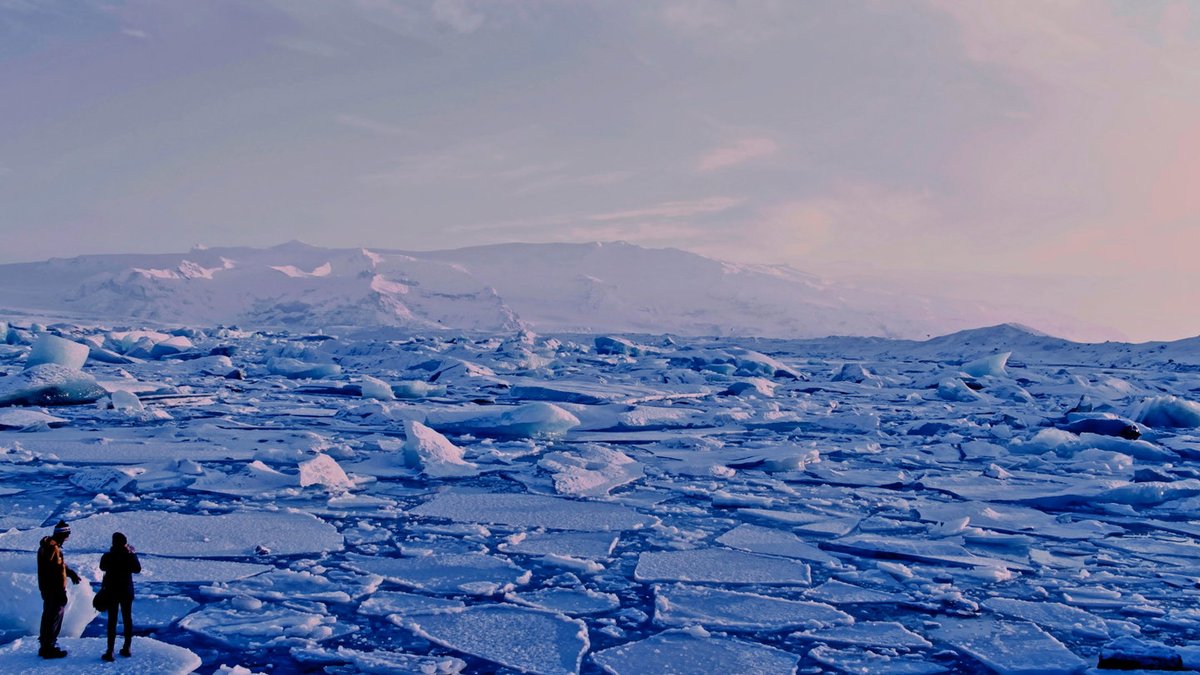
South Korea has launched its first experimental container voyage via the Arctic route, aiming to bypass instability in the Middle East. The “PanStar Acro” departed the newly developed port of Busan on Monday for a 45-day journey to European ports like Gdańsk, Rotterdam, and Felixstowe. The initiative tests whether melting polar ice has made this northern route a viable long-term commercial alternative.
The move comes as other nations explore the Northern Sea Route (NSR). China recently sent the “Dubai Tower” from Ningbo on a similar journey. By avoiding the traditional path through the Suez Canal, vessels can save roughly 7,000 kilometers and shave about ten days off the transit time. Vice Minister of Oceans Nam Jae-hon noted that with improving technology and rising geopolitical tensions, these northern corridors will become an important alternative.
Professor Marc Lanteigne of the Arctic University of Norway suggests the NSR is becoming an unavoidable secondary corridor. He argues South Korea is motivated to remain competitive and avoid falling behind Chinese companies. The country is already expanding its presence in the Arctic region.
Some experts warn that using the NSR could lead to violations of Western sanctions against Russia. The route requires paying for Russian navigation aid and weather services. The Ministry of Oceans confirmed that all necessary administrative procedures and consultations were completed. The Ministry of Foreign Affairs has not issued a position on the sanctions risk. Professor Vladimir Tikhonov of the University of Oslo pointed out that because U.S. and EU sanctions often deviate from international law, South Korea might prioritize economic viability over these restrictions given the current instability in the Middle East.
Environmental groups like the Paran Ocean Citizen Science Center are concerned about the ecological impact. They argue that increased shipping traffic will accelerate ice melt, which is already happening four times faster than the global average. The organizations state that pursuing commercial viability for the NSR is fundamentally at odds with global climate goals. Major shipping companies including Hapag-Lloyd, MSC, and CMA CGM have committed to avoiding these Arctic routes.
As nations race to utilize the changing Arctic, the balance between economic efficiency and geopolitical risk remains delicate. While the reduction in travel time offers a clear logistical advantage, the reliance on Russian infrastructure for passage introduces significant compliance challenges. The success of this trial voyage could signal a shift in global shipping patterns, but it also places new scrutiny on how nations handle international waters amidst conflicting legal frameworks.
The Arctic shipping route offers a significant reduction in distance compared to traditional paths. A shipping German electrical exports rise nearly 10% first half figures show similar growth trends in industrial output, illustrating the broader economic shifts occurring in northern latitudes. Despite the potential for faster transit, the financial and environmental costs of using the Northern Sea Route remain high.





Leave a Reply