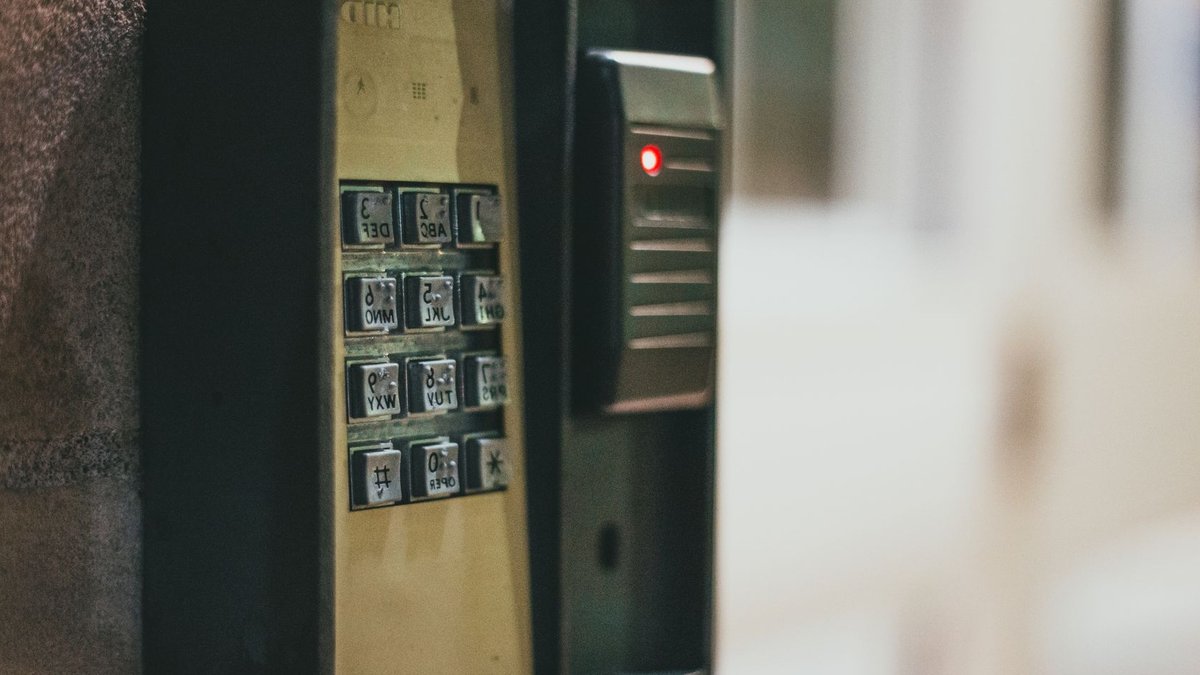
In France this week, hackers targeted refrigeration systems at hundreds of supermarkets, causing freezers to overheat and spoil fresh and frozen food. At some locations, the malfunction produced smoke and fire, highlighting a growing concern about cybersecurity risks in everyday connected devices.
Hackers Target Refrigeration Systems in French Supermarkets
The attacks forced the machines to reach temperatures as high as 50°C, well above freezing. In this case, the vulnerability stemmed from outdated firmware on refrigeration units that remained accessible online despite known security flaws.
A spokesperson for the French cybersecurity agency confirmed that multiple supermarket chains were affected. The compromised systems controlled temperature monitoring and cooling regulation across hundreds of retail locations.
Investigators found that some refrigeration controllers had not received security updates for years, while others operated on hardware that had reached end-of-life support. The manufacturer had previously identified vulnerabilities in the system, but many operators failed to apply the recommended fixes or replace outdated equipment.
Cybersecurity Risks in Connected Devices
The incident raises broader concerns about how everyday appliances connect to the internet. Modern supermarkets rely on automated systems to manage inventory and maintain food safety standards, but this convenience creates potential entry points for malicious actors. Similar vulnerabilities have been discovered in other connected devices, from industrial control systems to smart home appliances.
Hospitals, transportation networks, and utility providers increasingly depend on interconnected systems that could face similar threats if security protocols are neglected.
Read Also: China’s Battery Dominance Challenges India’s Security and Trade
According to the report, the attack method exploited default credentials and unencrypted communication channels commonly found in legacy industrial equipment. Cybersecurity firms have documented over 200 instances of similar incidents worldwide, where outdated machinery became entry points for broader network intrusions.
The compromised French supermarket units were operating on embedded systems designed for reliability rather than security. These devices often lack standard security features like automatic updates or multi-factor authentication, making them attractive targets for hackers seeking low-effort entry points into larger networks.
Regulatory bodies in Europe have begun pushing for stricter security requirements for connected devices, but implementation varies widely across industries.
Broader Implications for Digital Infrastructure
Mathematics is now playing a surprising role in reshaping how people connect in Singapore, where government officials are experimenting with a novel approach to matchmaking. The nation has been struggling with a declining birth rate, which reached a record low of 0.87 births per woman in 2025, prompting officials to explore innovative solutions beyond financial incentives and housing support. Enter FirstDate, a government-developed app designed specifically for public employees between the ages of 21 and 35.
Unlike conventional dating platforms that flood users with endless profile options, FirstDate presents one carefully selected match at a time based on detailed user preferences. This method draws from the Gale-Shapley algorithm, a 60-year-old mathematical framework originally created to solve the Stable Marriage Problem, which ensures stable pairings by preventing mutually preferable alternatives. The algorithm’s creator, Lloyd Shapley, later received the 2012 Nobel Prize in Economics for his contributions to stable allocations and market design, showing the profound impact of systematic matching principles on real-world challenges.




Leave a Reply